
• About Us
  • Work
  • Services
  • Projects
  • HPL
  • Gallery
  • 3D Journey
  • Contact
  • About Us
  • Work
  • Services
  • Projects
  • HPL
  • Gallery
  • 3D Journey
  • Contact

High Pressure Laminate HPL

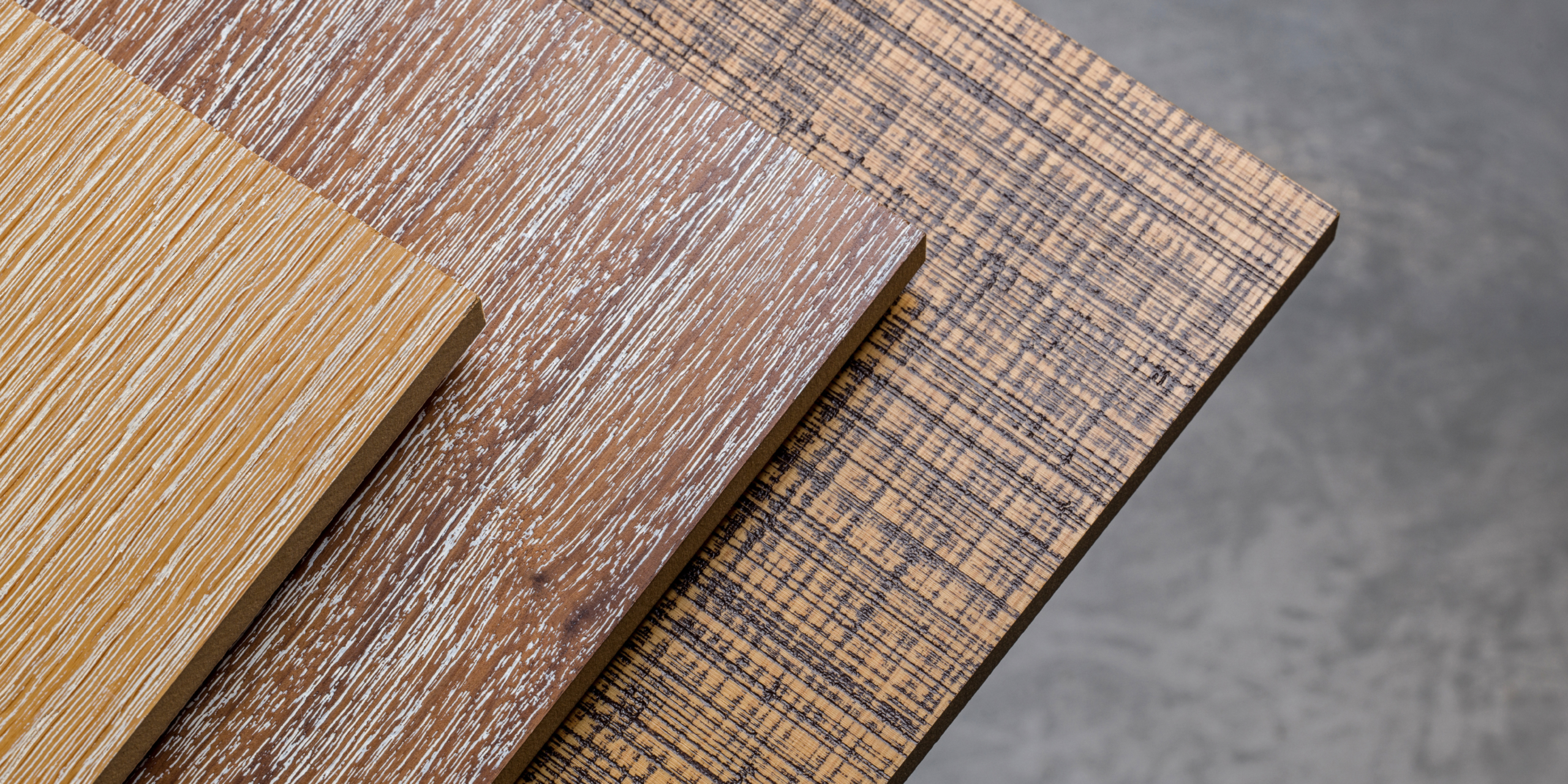
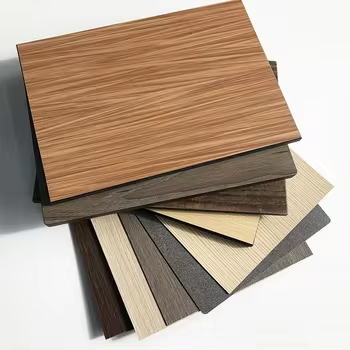
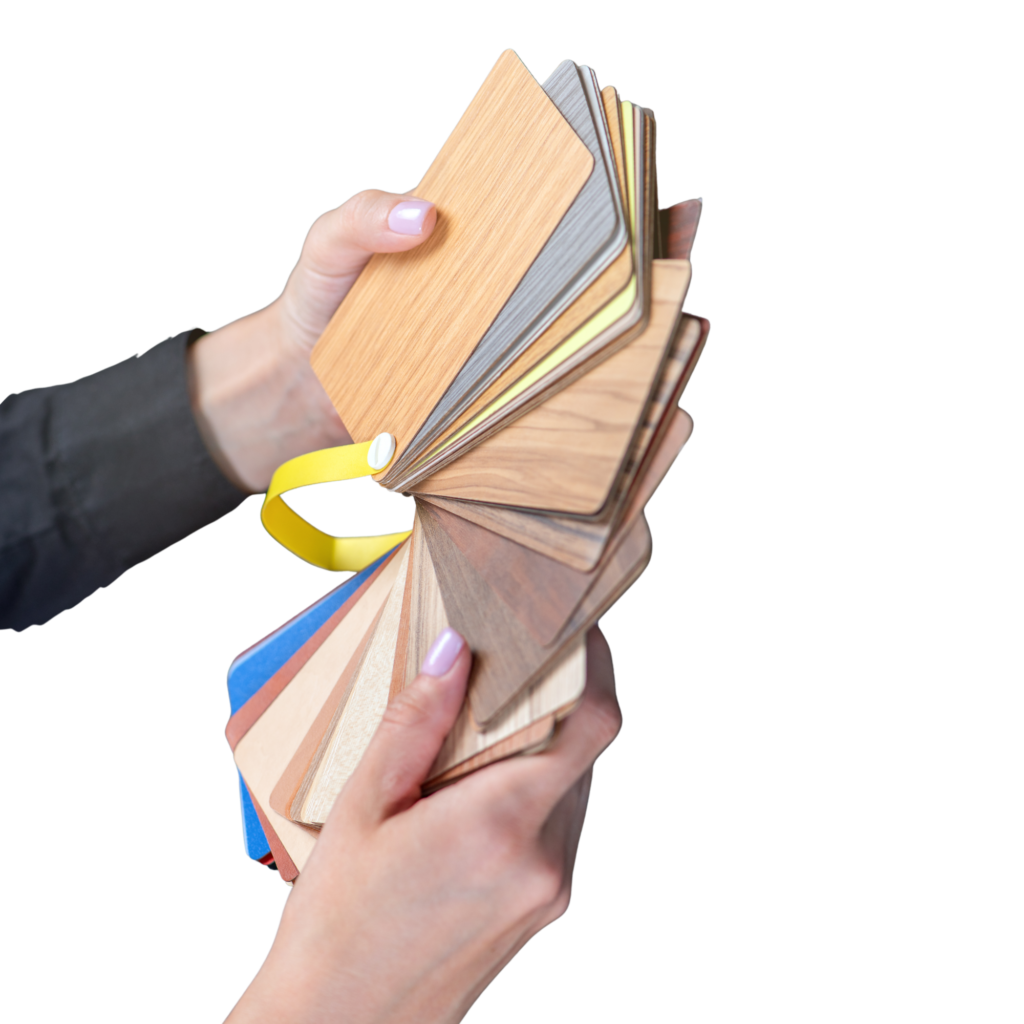
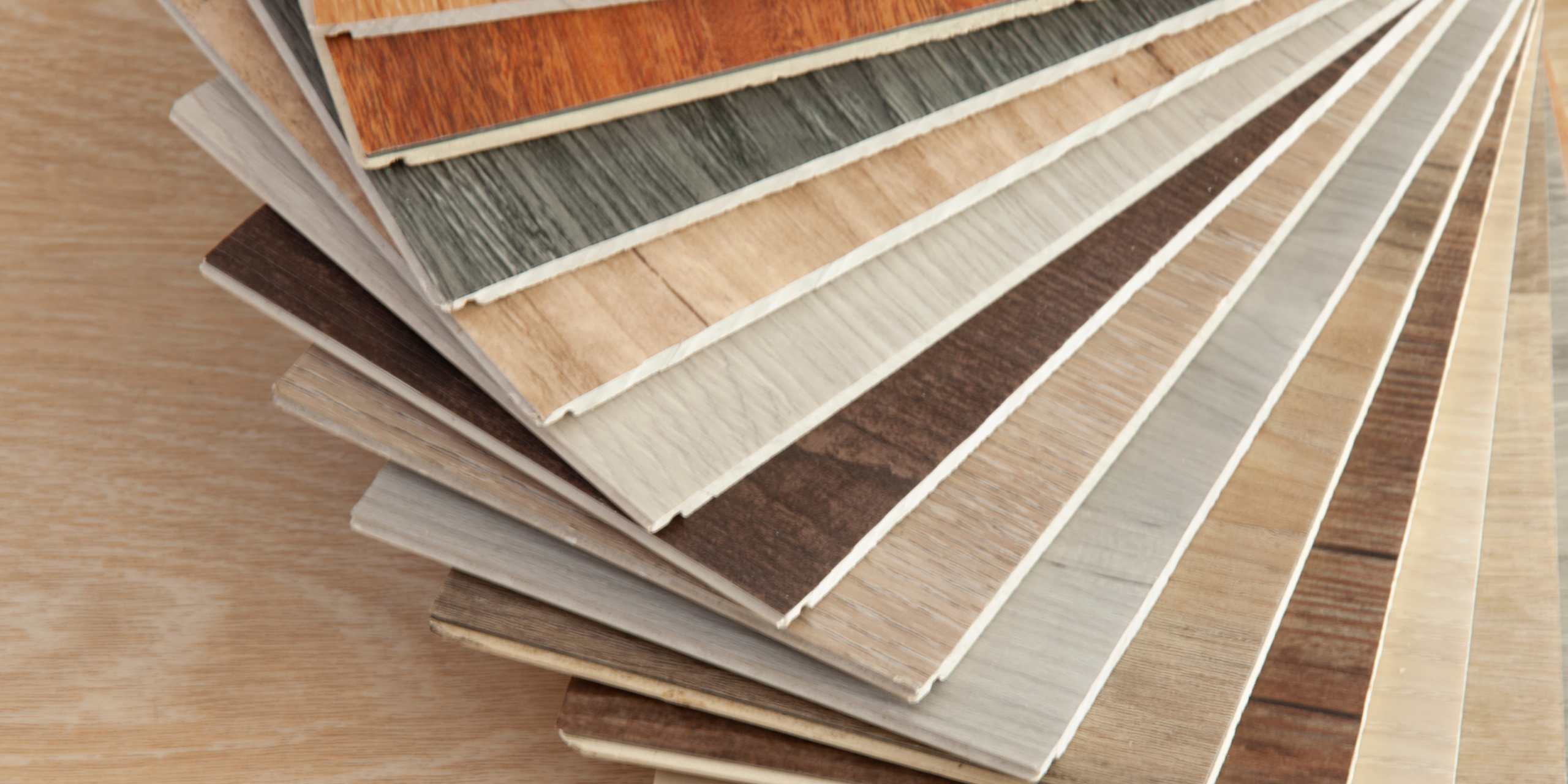
High Pressure Laminate (HPL) is a decorative surface material made by pressing layers of kraft paper (with phenolic resin) and a decorative paper (with melamine resin) under high heat and pressure. It’s strong, durable, and resistant to water, heat, and scratches , ideal for interior and exterior use. HPL (High Pressure Laminate) is a material that belongs to the laminate family. It’s not a family by itself, but a type of decorative laminate made under high heat and pressure.
Within this family, there are other types like:

– LPL (Low Pressure Laminate)

– CPL (Continuous Pressure Laminate)

– Compact HPL 

-Postforming HPL

  • LPL
  • CPL
  • Compact HPL
  • Postforming HPL

LPL was commercially developed and became widely used around the 1960s–1970s, evolving from laminate technologies invented earlier in the 1900s.Low-Pressure Laminate (LPL) is a decorative surface material commonly used in furniture, cabinetry, wardrobes, office desks, and interior panels. It is manufactured by fusing decorative paper impregnated with melamine resin directly onto particleboard, MDF, or plywood under low pressure and heat. 

Lighter and cheaper version

Continuous Pressure Laminate (CPL) was developed as an evolution of traditional laminate technology during the 1970s and 1980s, when manufacturers introduced continuous production systems to improve efficiency and reduce manufacturing costs.


Compact High-Pressure Laminate (Compact HPL) is a solid, self-supporting laminate panel manufactured by compressing multiple layers of kraft paper impregnated with phenolic resin under very high pressure and temperature, with decorative surface layers on both sides. Unlike standard HPL, Compact HPL does not require a substrate such as MDF or particleboard because the panel itself is structurally strong and dense.

Thinner continuous sheets

Compact HPL does not have one officially recorded invention year, but it was commercially developed and became widely used during the: 1970s–1980s 

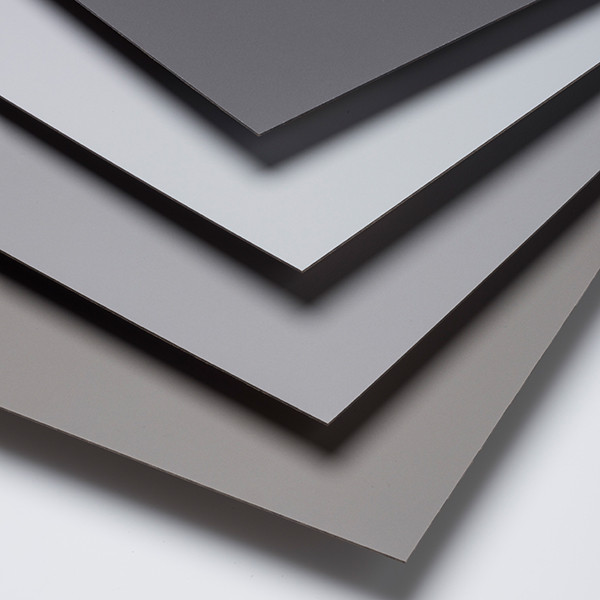
Compact High-Pressure Laminate (Compact HPL) is a solid, self-supporting laminate panel manufactured by compressing multiple layers of kraft paper impregnated with phenolic resin under very high pressure and temperature, with decorative surface layers on both sides. Unlike standard HPL, Compact HPL does not require a substrate such as MDF or particleboard because the panel itself is structurally strong and dense.

Compact HPL is highly durable, impact-resistant, moisture-resistant, hygienic, and suitable for heavy-duty interior and exterior applications. It is widely used for restroom cubicles, lockers, laboratory surfaces, countertops, wall cladding, hospital furniture, and high-traffic commercial environments.

The technology evolved from traditional HPL systems developed in the early 20th century, while Compact HPL panels became commercially popular during the 1970s and 1980s as manufacturers developed thicker and self-supporting laminate solutions for demanding architectural and industrial applications.

Thicker, self-supporting type

Postforming High-Pressure Laminate (Postforming HPL) was developed and became commercially popular during the:

1950s–1960s

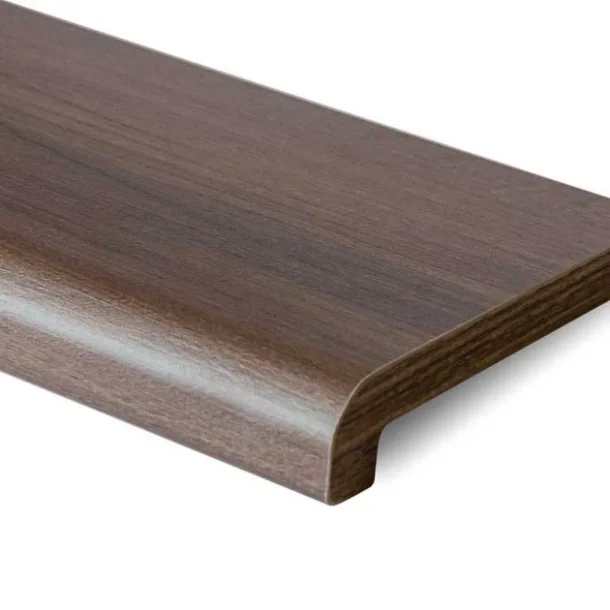
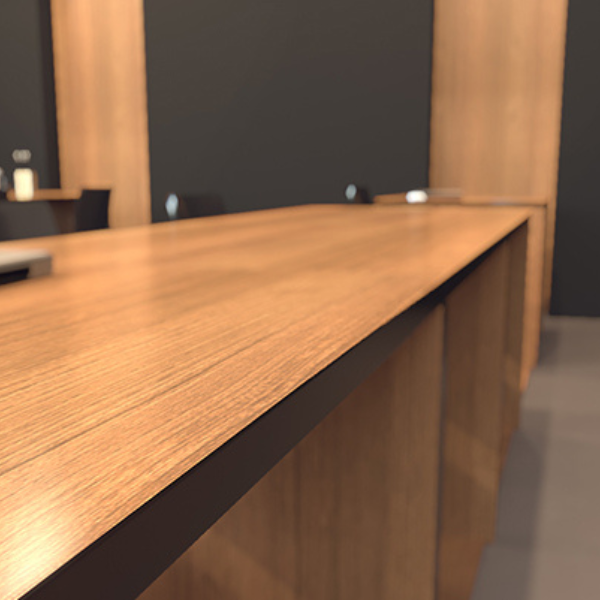
It was created as an advancement of traditional HPL, allowing laminate sheets to be heated and bent around curved edges and surfaces without cracking. This innovation became widely used in kitchen countertops, worktops, furniture, retail fixtures, and cabinetry, providing seamless rounded edges and improved aesthetics compared to flat laminate applications.

Flexible for curved edges

So, HPL is a subcategory of laminates, but it’s also considered a main material in interior and exterior design because of its strength and wide use. HPL is a branch of the laminate family, but it’s considered the top and most widely used type, and when people say “laminate,” they usually mean HPL because it’s the standard in quality and performance.

Main Materials

• Kraft Paper: Core layers for strength and thickness.

• Phenolic Resin: Bonds the layers, adds rigidity.

• Decorative Paper: Gives the surface color or wood/stone design.

• Melamine Resin & Overlay: Creates a hard, protective finish.

Types of HPL

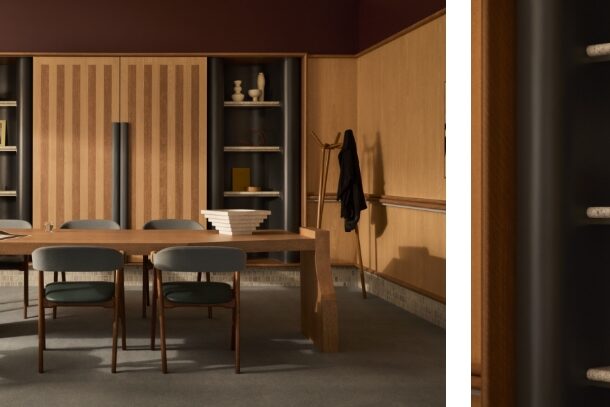
• Interior HPL: For furniture, doors, and wall panels.

• Compact / Exterior HPL: For façades and wet areas (6–12 mm).

• Postforming HPL: For curved counters and edges.

• Fire-Retardant HPL: For public or high-safety projects.

Interior Applications

• Doors: Modern, durable, moisture-resistant finish.

• Cabinets & Wardrobes: Long-lasting and easy to clean.

• Countertops: Heat and stain resistant.

• Wall Panels: Decorative, scratch-resistant surfaces.

• Ceilings & Partitions: Lightweight and stylish.

• Furniture: Desks, tables, and custom joinery.

• Toilet Cubicles: Waterproof compact HPL panels.

Flexible for curved edges

Postforming HPL

It was created as an advancement of traditional HPL, allowing laminate sheets to be heated and bent around curved edges and surfaces without cracking. This innovation became widely used in kitchen countertops, worktops, furniture, retail fixtures, and cabinetry, providing seamless rounded edges and improved aesthetics compared to flat laminate applications.
Thicker, self-supporting type

Compact HPL

Compact HPL is highly durable, impact-resistant, moisture-resistant, hygienic, and suitable for heavy-duty interior and exterior applications. It is widely used for restroom cubicles, lockers, laboratory surfaces, countertops, wall cladding, hospital furniture, and high-traffic commercial environments.
Thinner continuous sheets

Continuous Pressure Laminate

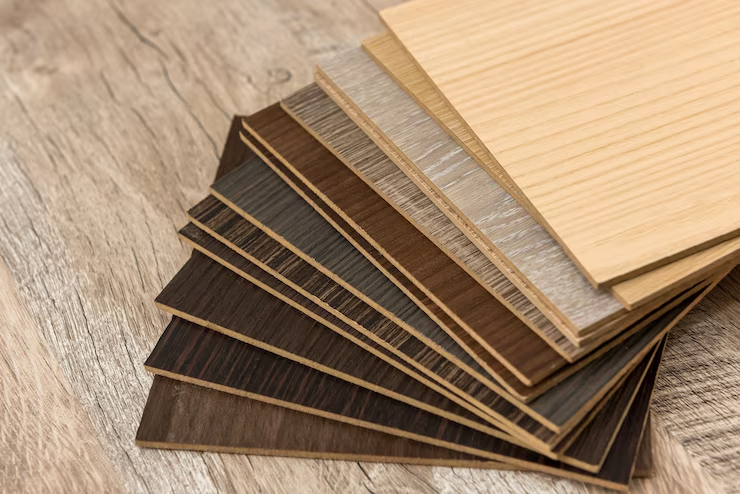
CPL is commonly used for doors, furniture surfaces, wall panels, kitchen cabinets, and interior applications due to its flexibility, durability, and cost efficiency. It offers good resistance to scratches, wear, moisture, and everyday impact while providing a wide range of colors, textures, and woodgrain finishes.
Lighter and cheaper version

Low Pressure Laminate

LPL is known for its smooth finish, durability, affordability, and wide variety of colors, textures, and woodgrain designs. Compared to High-Pressure Laminate (HPL), LPL is lighter and more cost-effective, making it ideal for residential and commercial interior applications.

Sitemap

  • Home
  • Clients
  • Projects
  • HPL
  • Gallery
  • About Us
  • Contact Us

Information

  • FAQ
  • Privacy Policy
  • Terms & Conditions

Featured Partners

  • King Hussein Business Park
  • Armada Avenue Hotel
  • Modern Sources For Management
Facebook-f Instagram Whatsapp

Hammam Design 2026 © Powered By Mawqe3i

  • ←
  • Contact Us
    Contact Form

  • Instagram Page
  • WhatsApp